
Rufous Woodpecker
|
Size & diagnostic markings:- 25 cm. Now this is smaller Woodpecker. The Rufous is another fairly common Woodpecker with a roundish look at 25 cm. Rufous brown and with short but stout black beak Fine blackish bars on the upper side and flank. Head is dull brown and could detect the reddish patch on the cheek. The large picture below is that of the female with dull colored head and no red patch but exchanged for a lighter patch. Distribution :- The Indian sub-continent Sri Langka, southern China and the Greater Sundas. The bird is a resident in Malaysia and a common bird the forest edge and parks. Habitats & preferences:- This is a lowland forest bird preferring hill slopes and could be found in sub-montane. Though record is such, so far I have no encounter one in the sub-montane area yet. Most often on hill slopes. The Rufous Woodpecker is a very beautiful bird of the forest edge. In Malaysia, this Woodpecker is common in park and forest edge. There was one in the Kiara Park. Each day exactly the same time, the bird would return to the same tree and continued pecking at the same spot. I have read that this Woodpecker maintains a symbiotic relationships with the local black acrobat ants, Crematogaster. It would burrow a nest within the nest and lays her eggs. The bird is not attacked for infringement nor the bird feasting on the ants' eggs. In other reports, it was mentioned that Woodpecker favorite diet was ants. Logically, it must be a trend for the bird to be having its nest within the ants domain. Also true that both the bird and the ants are co-existing peaceful. There must exist some unreported facts that goes beyond feasting. Back in Malaysian, it is not that easy to spot a Woodpecker. Walking through pristine forest, quite often hearing them at work. But spotting one is extremely difficult. The bird at work would remain on its task for long period of time. Equally good opportunity would be the chances that the bird seen crawling along tree trunk. Best situation would those when the Woodpecker is flying across. But once landed, they have the tendency to invariably slip behind to the concealed side of the trunk. Likewise, to the bird, the human is seen nearby. A better and sure way is to listen for the call of the Woodpecker and the incessant drumming while walking around the park or forest edge. Wait for the chances. In Malaysia, where can the bird be found:- I am lucky with this bird as it roosted in the Kiara Park for a long time until the tree fell off. That was many years ago but the birds continued to be seen along the slopes of the hills when Iwalked. Now history repeat itself, I met up with another that kept returning to the same spot each day in the hills beside Kelab Darul Ehsan in Ampang.
|
Rufous Woodpecker's pix# 1
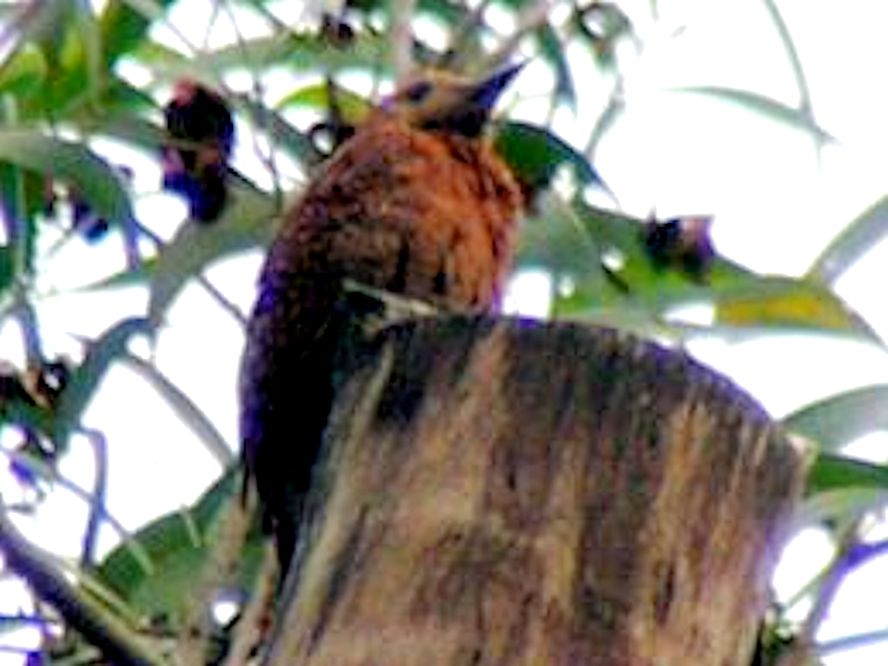
Rufous Woodpecker's pix #. 2
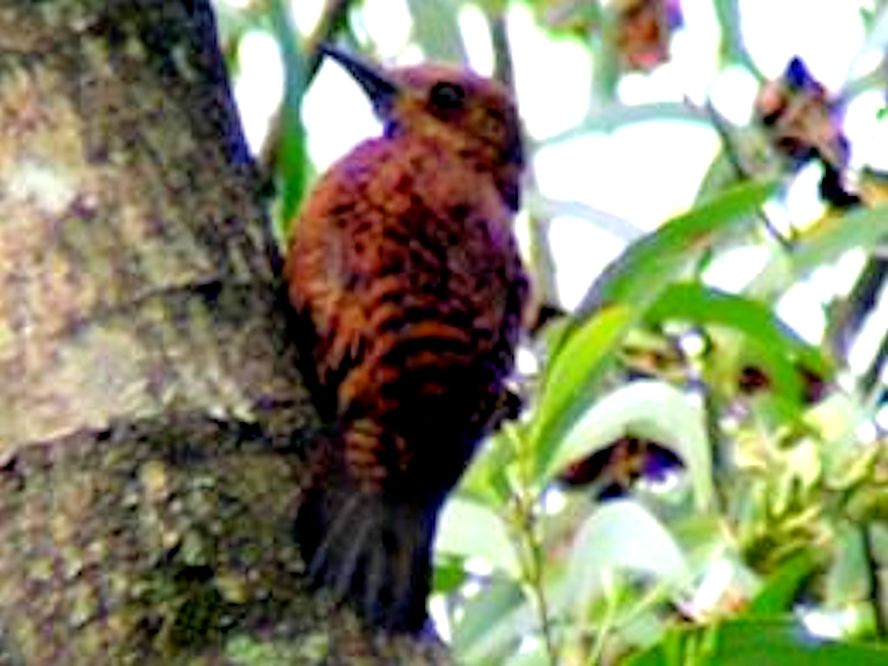
Rufous Woodpecker's pix #. 3
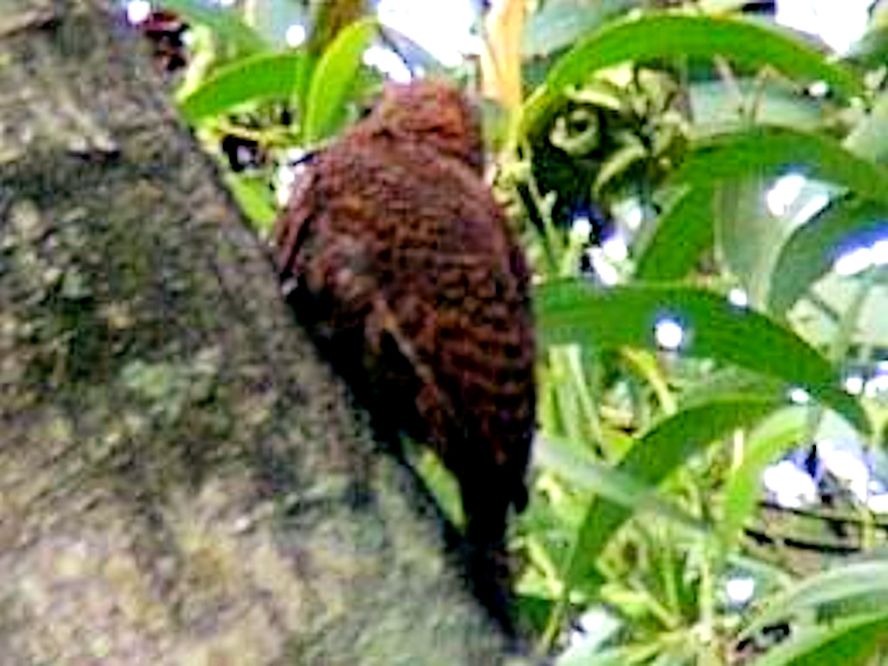
Rufous Woodpecker'spix #. 4
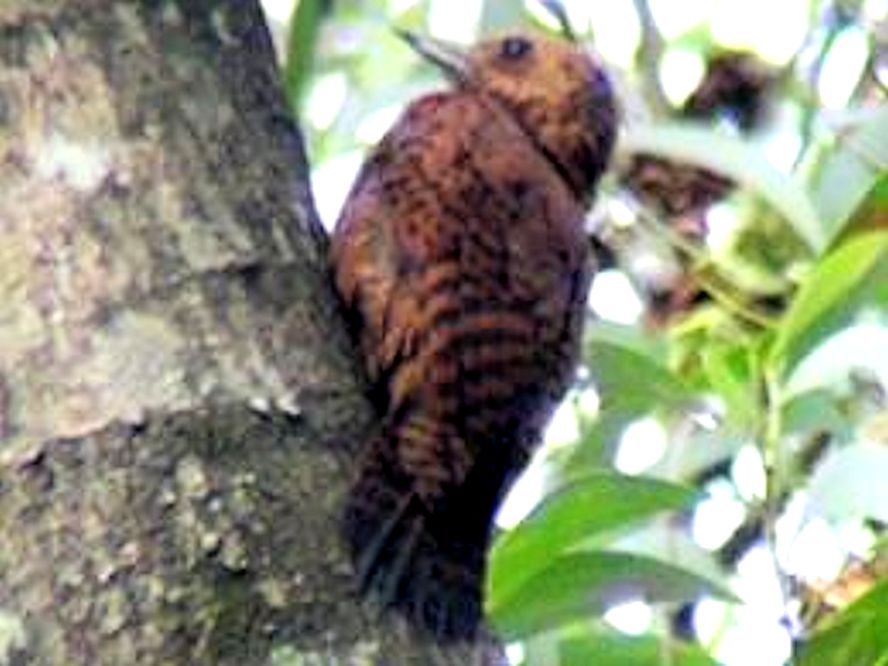
Rufous Woodpecker's pix #. 5
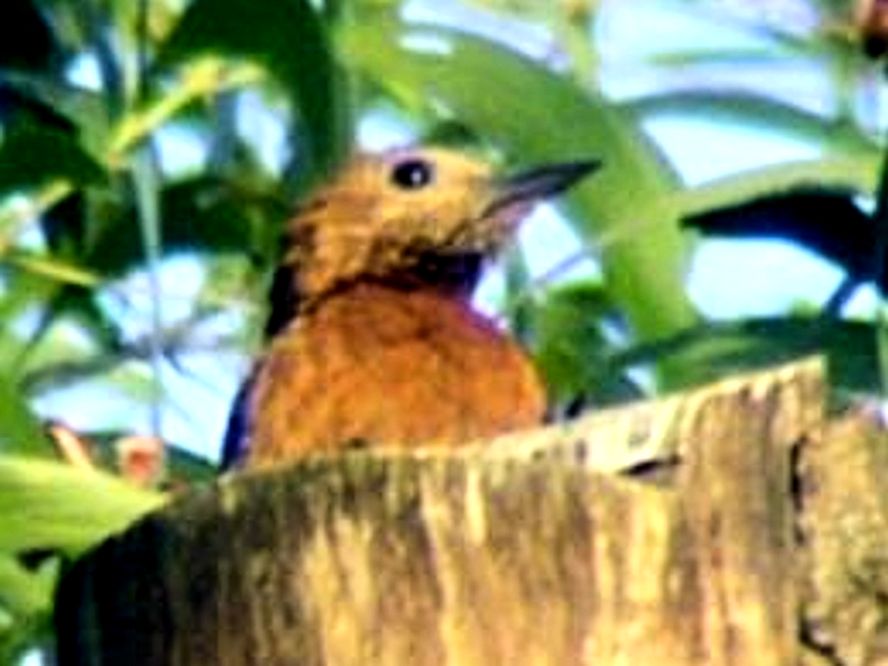
Rufous Woodpecker's pix #. 6
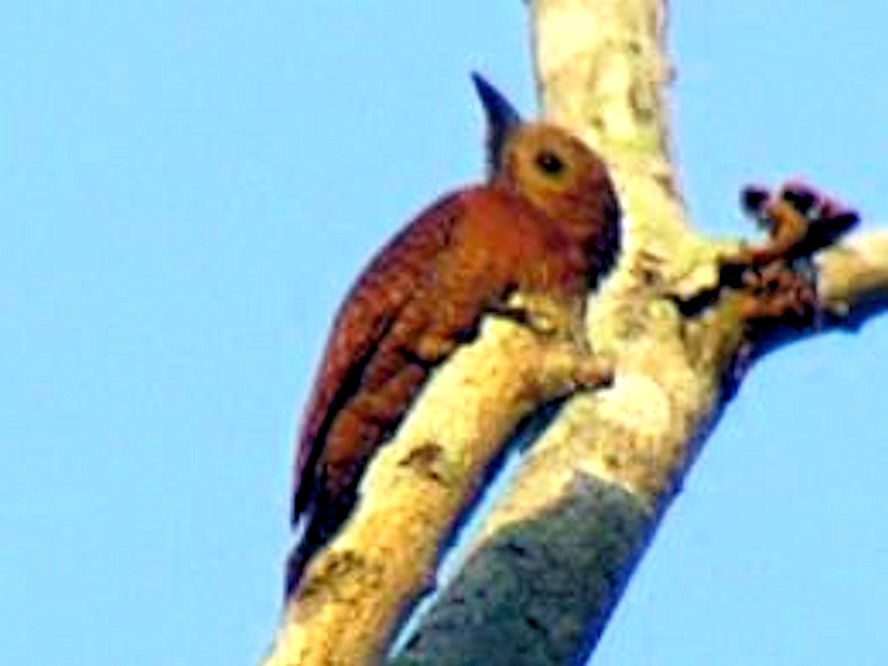
Rufous Woodpecker's pix #. 7
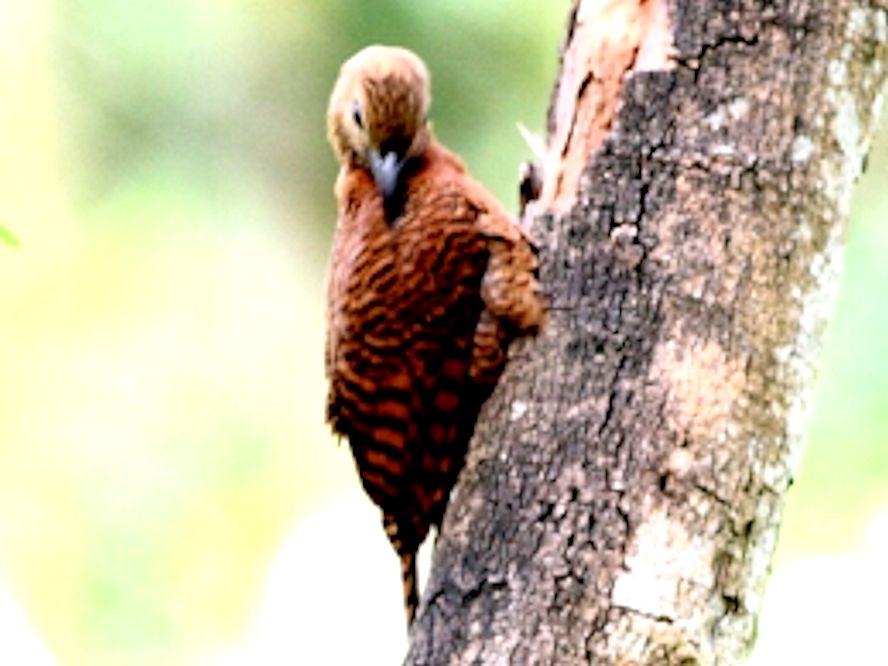
Rufous Woodpecker's pix #. 8
Rufous Woodpecker's pix #. 9
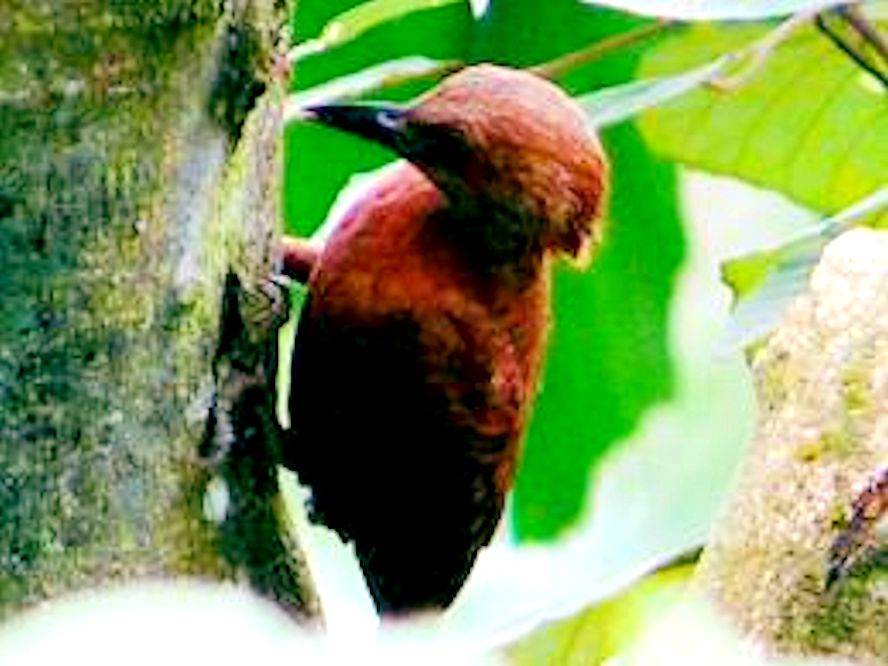
Rufous Woodpecker's pix #. 10
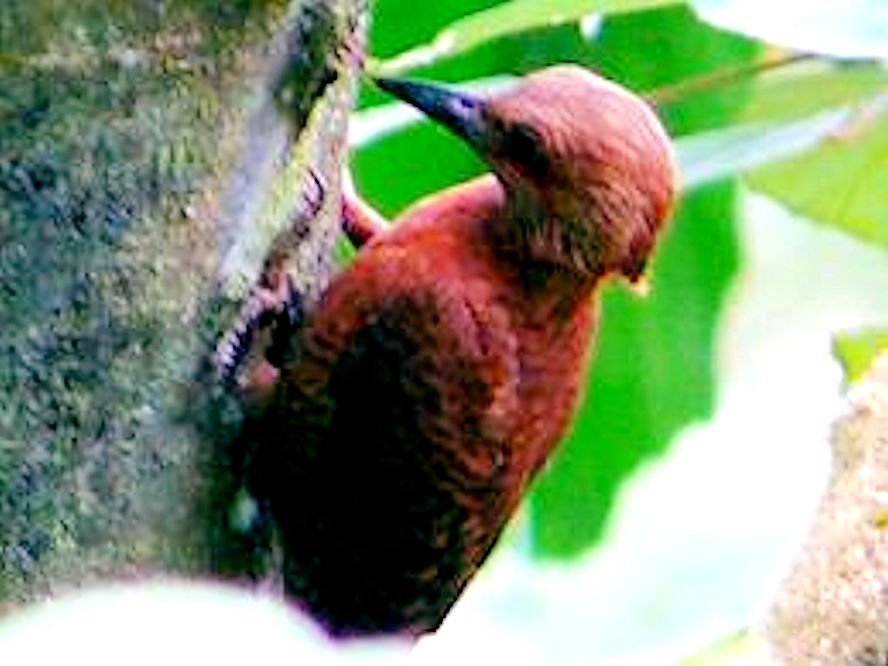
Rufous Woodpecker's pix #. 11
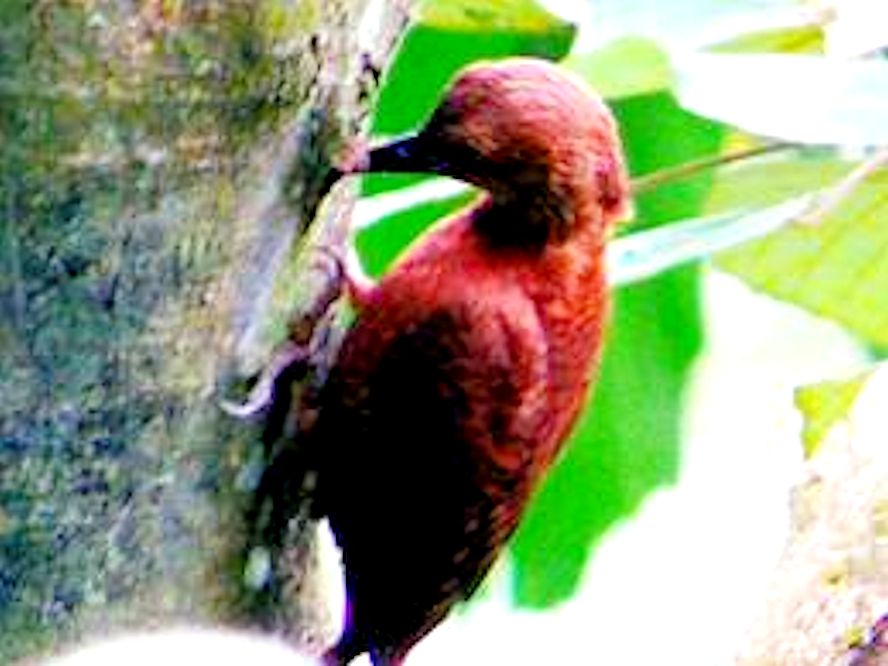
Rufous Woodpecker's pix #. 12
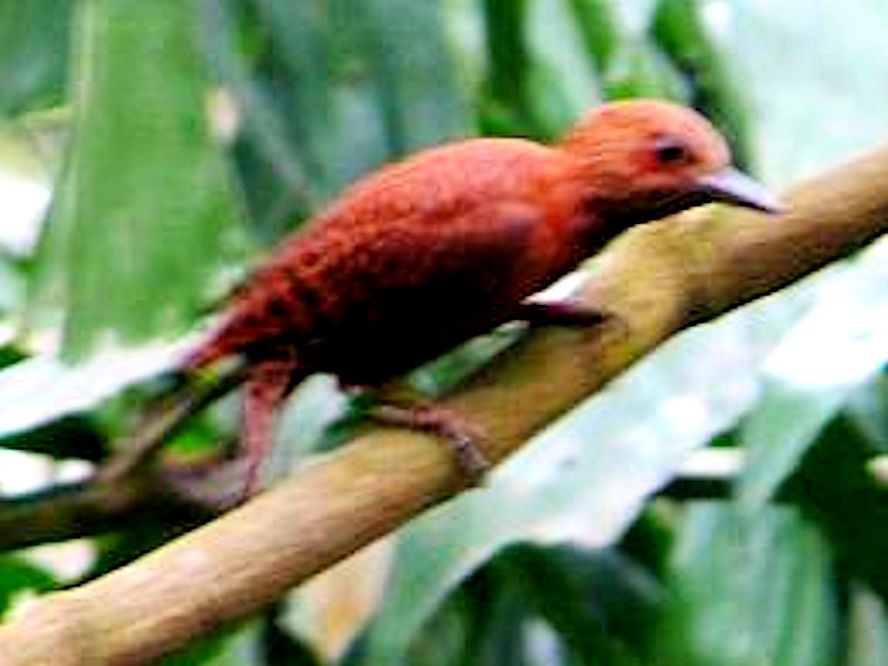
Rufous Woodpecker's pix #. 13
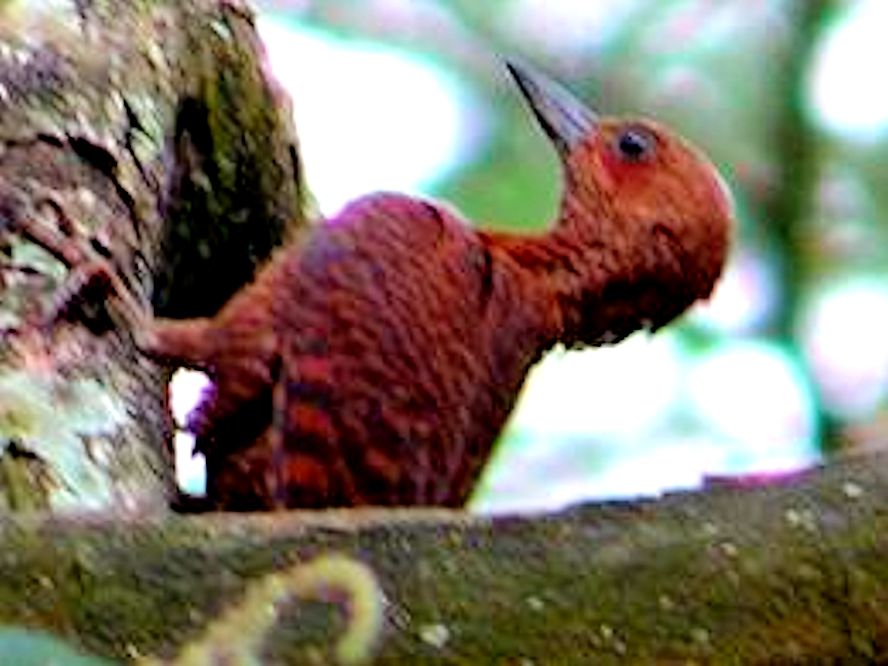
Rufous Woodpecker's pix #. . 14
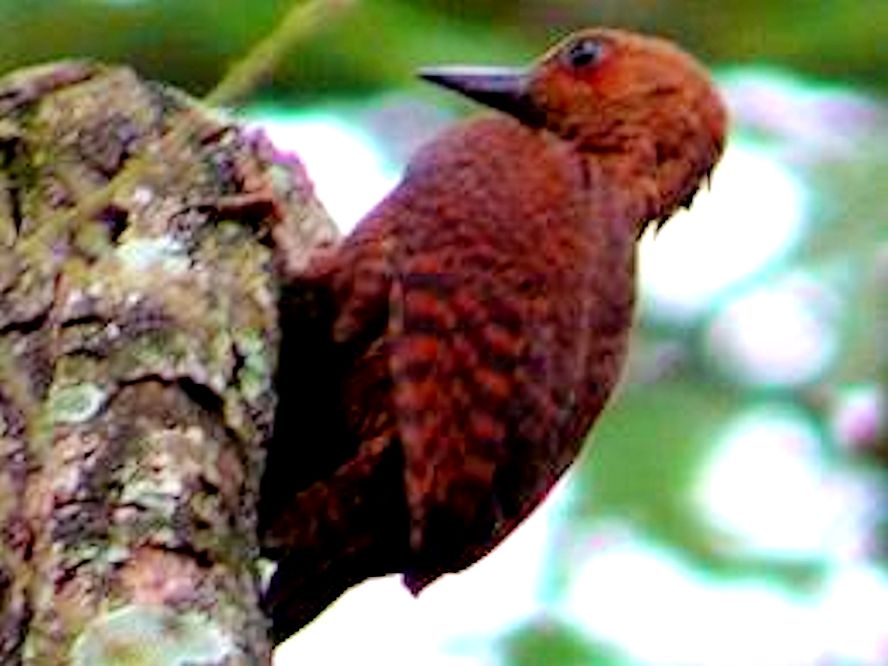
Rufous Woodpecker's pix #.15
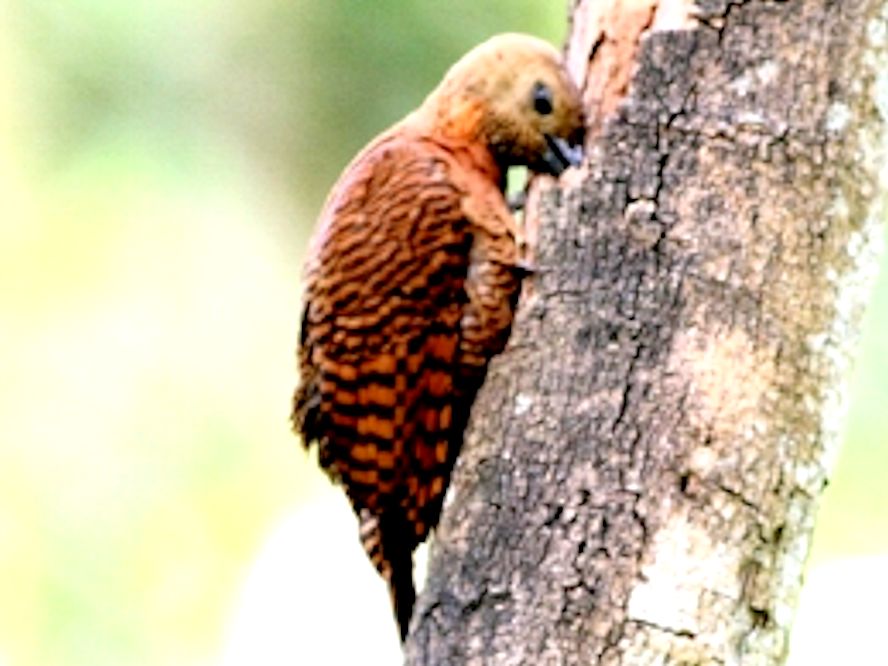
Rufous Woodpecker's pix #. 16
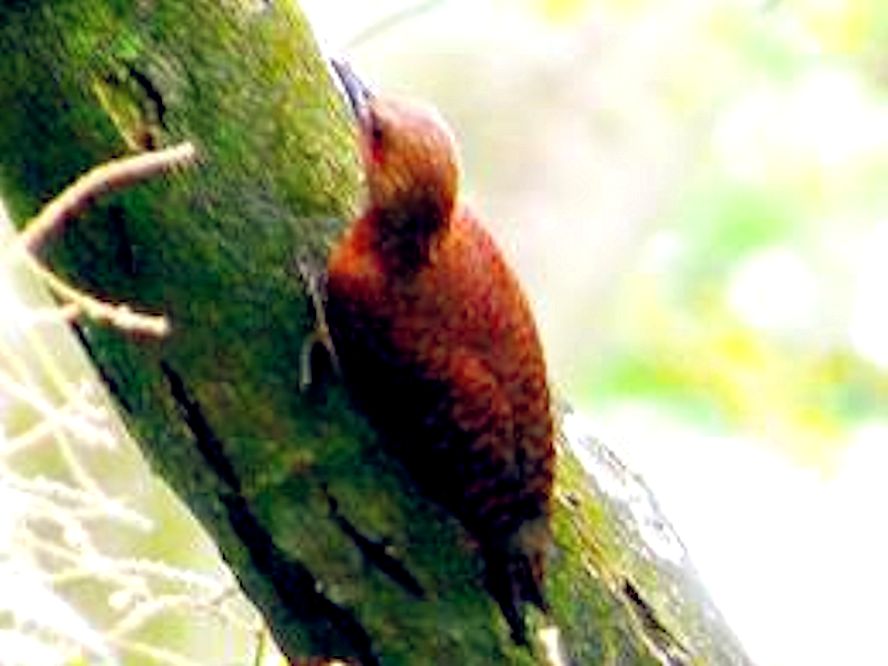
Rufous Woodpecker's pix #. 17
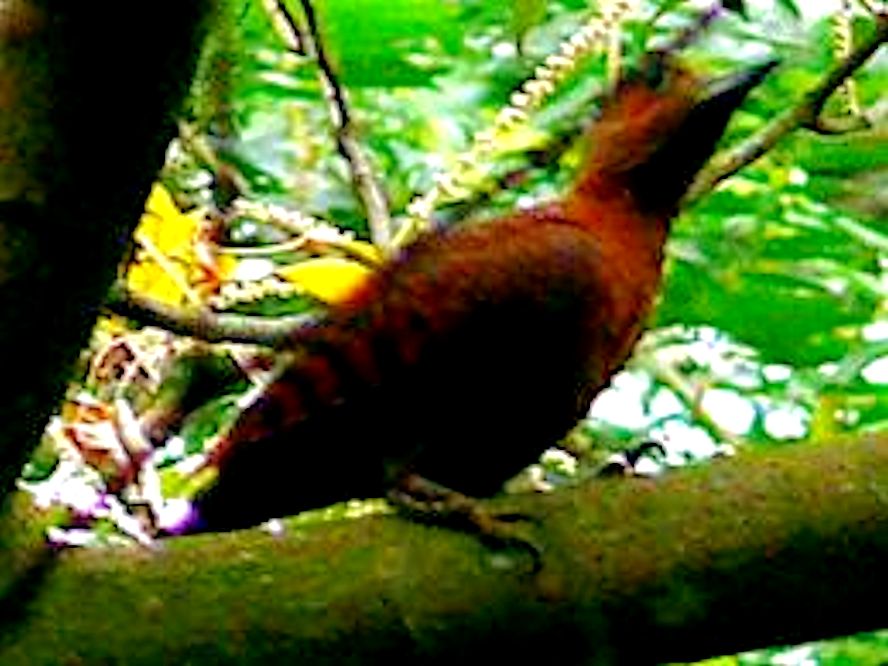
Rufous Woodpecker's pix #. 18
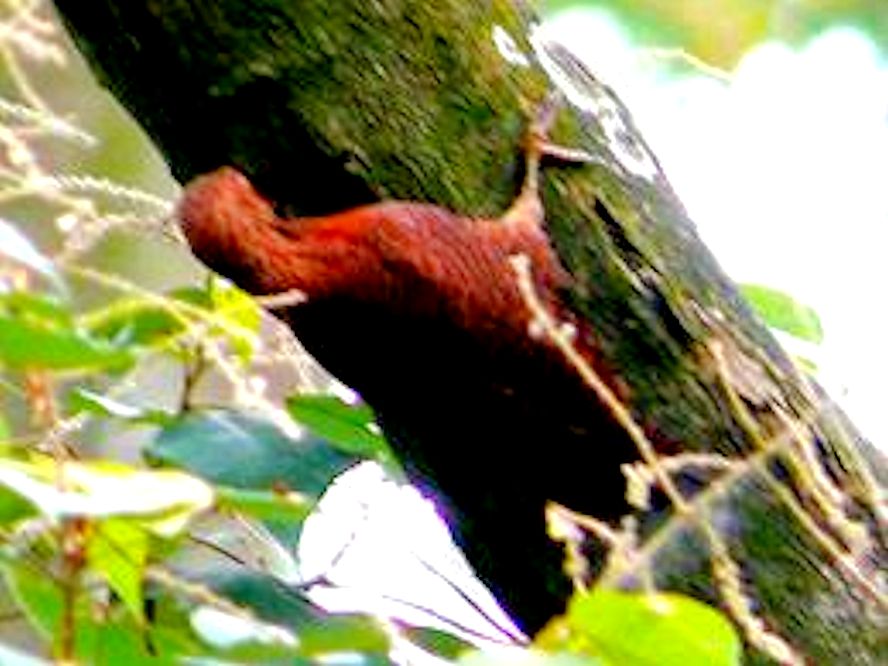
Rufous Woodpecker's pix #. 19
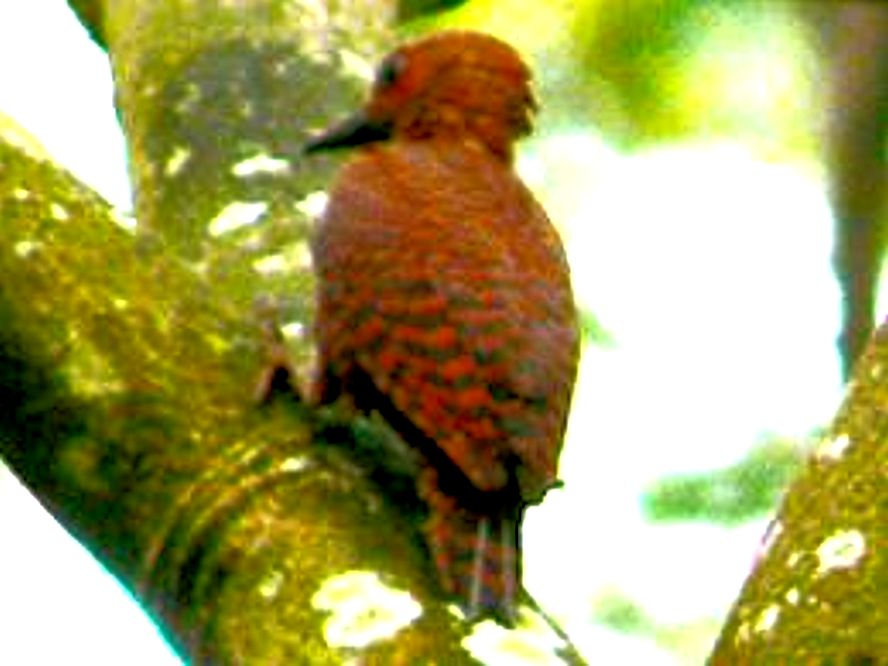
Rufous Woodpecker's pix #. 20
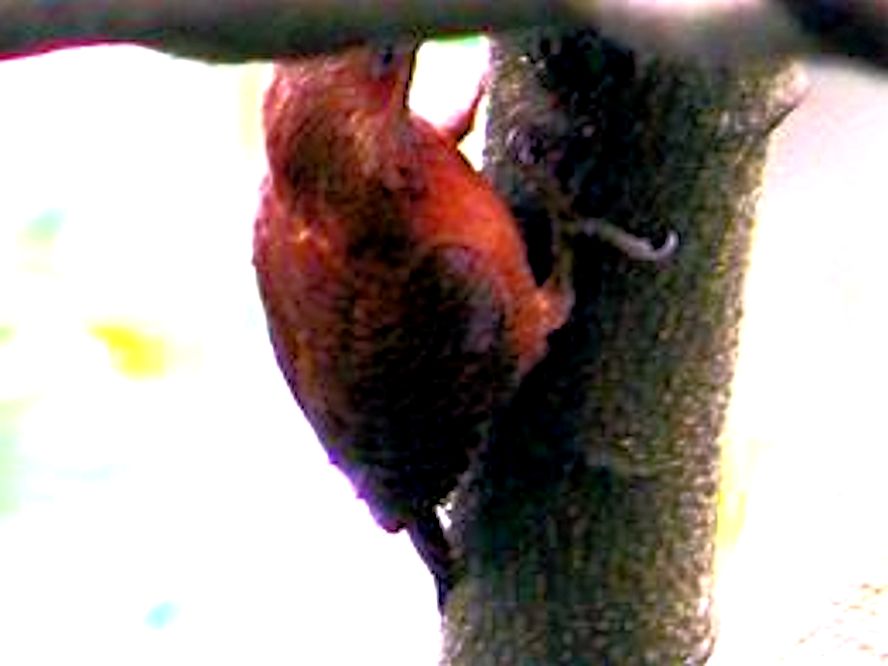
Rufous Woodpecker's pix #. 21
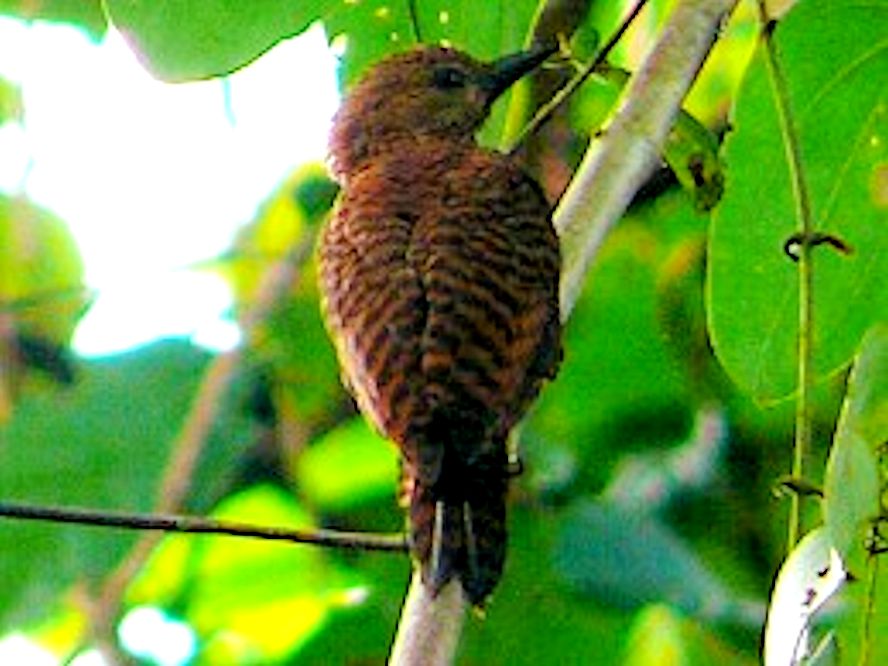
Rufous Woodpecker's pix #. 22
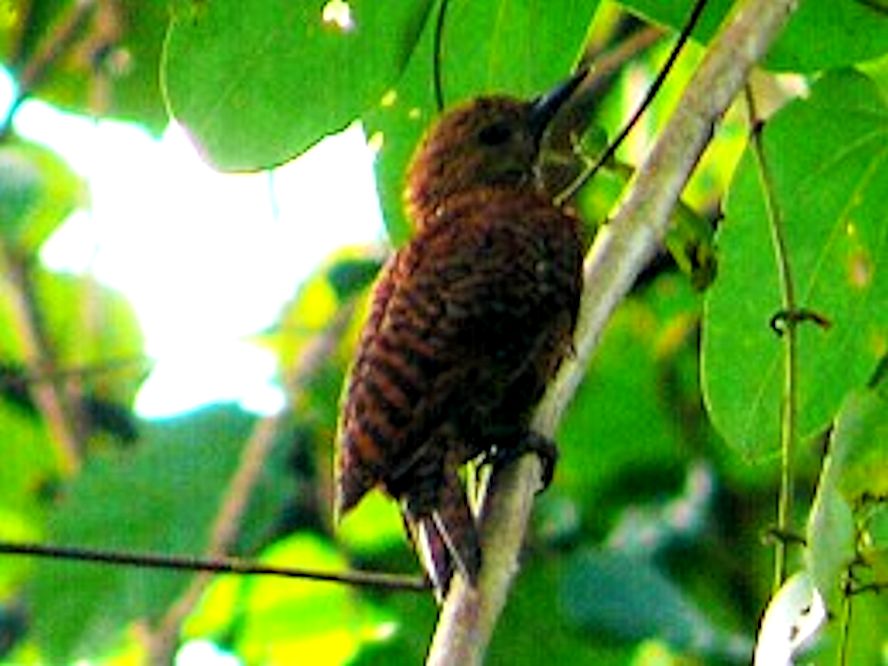
2Rufous Woodpecker's pix #. 23
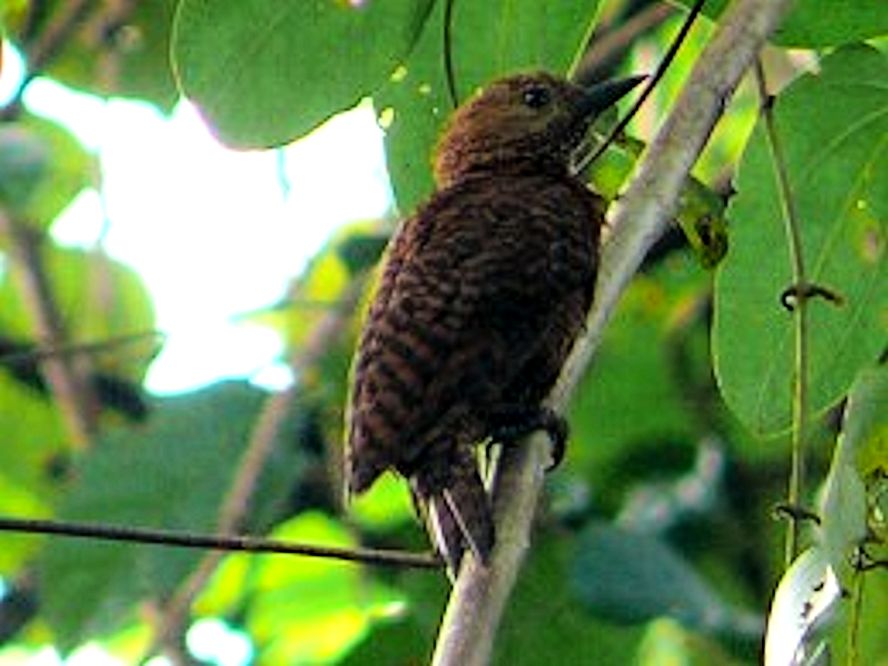
Rufous Woodpecker's pix #. 24
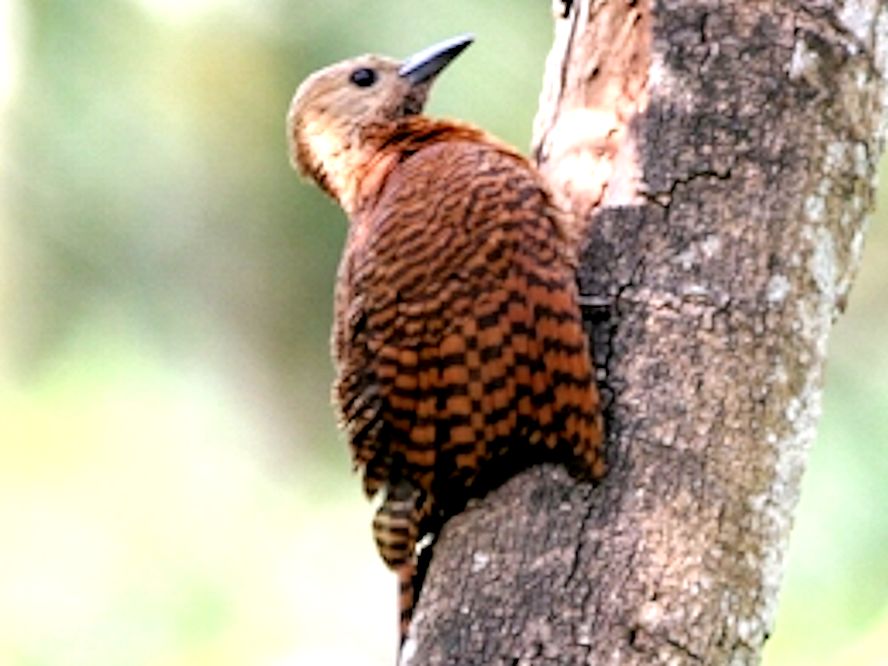
Rufous Woodpecker's pix #. 25
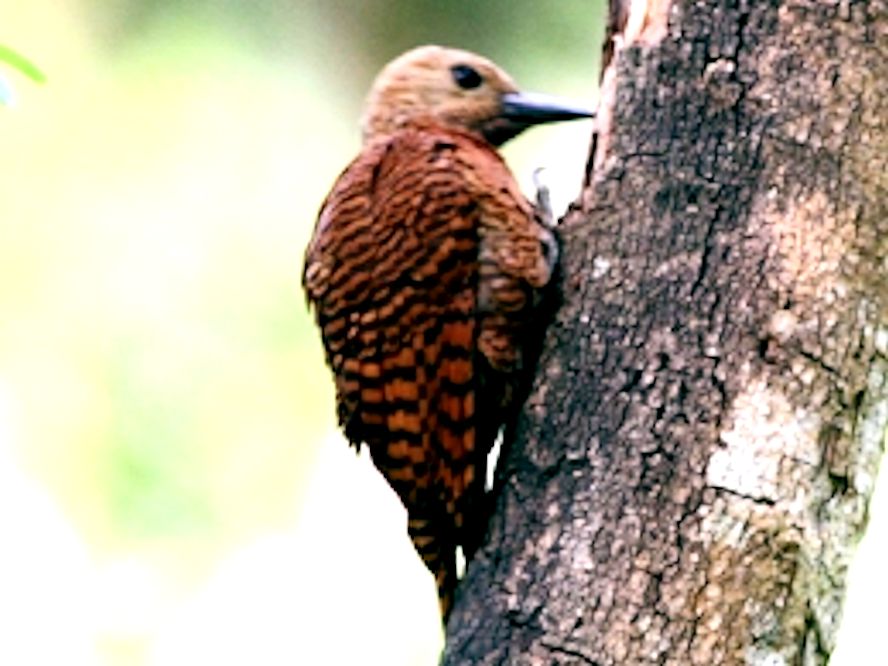
Rufous Woodpecker's pix #. 26
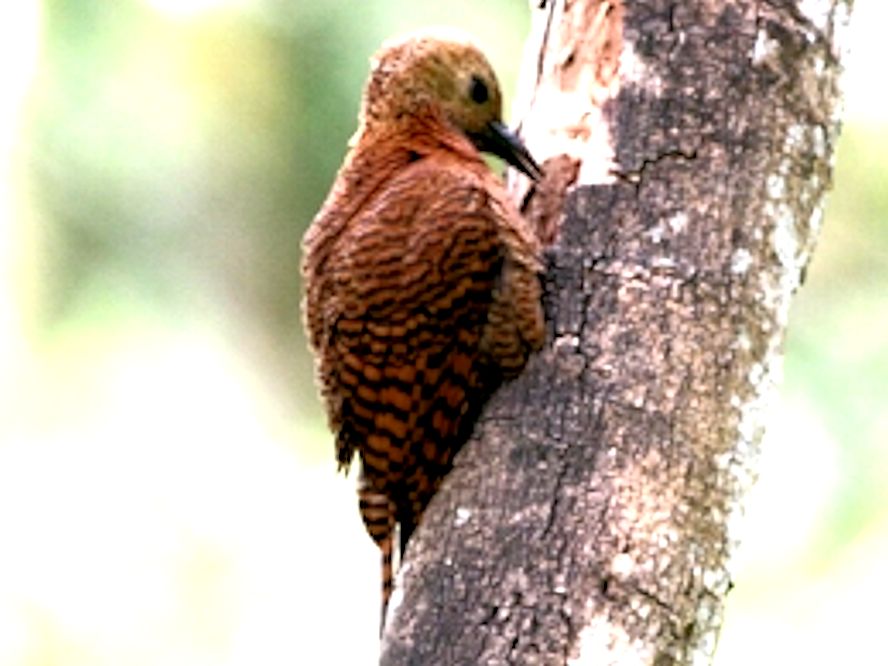
Rufous Woodpecker's pix #. 27
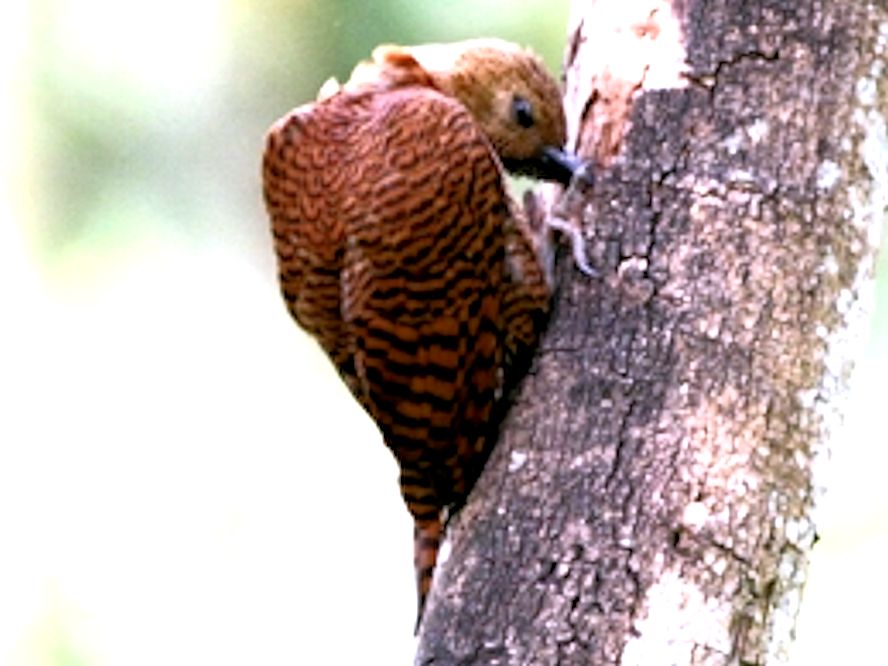
Rufous Woodpecker's pix #. 28
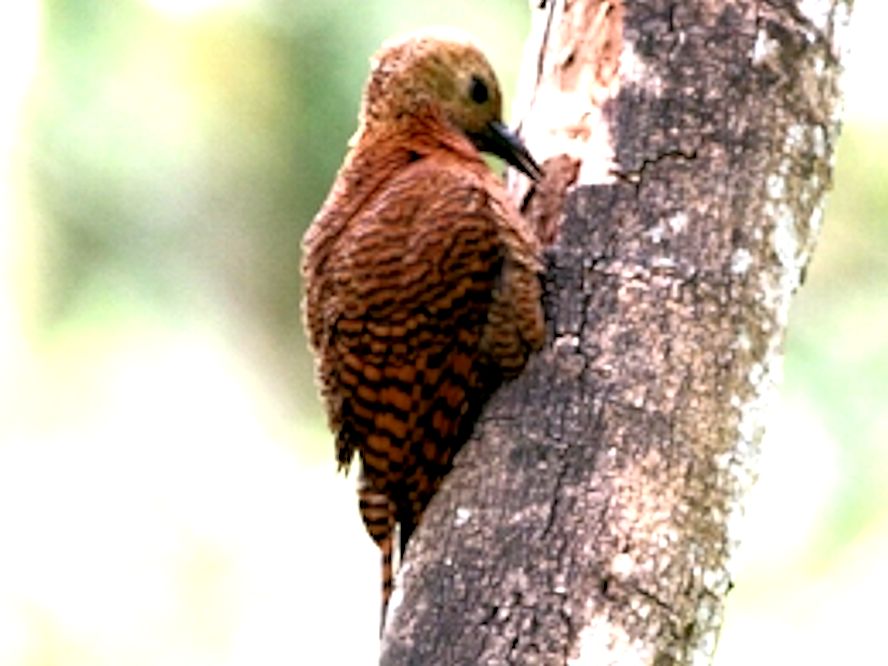
Return to Woodpecker's family page
 |
With Will would Wander |
 |