Malaysian Birds
Bush Birds
PASSERIFORMES:
81. Phylloscopidae
Warbler
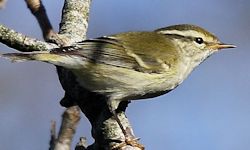 |
Yellow-browed Warbler |
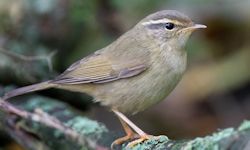 |
Radde's Warbler |
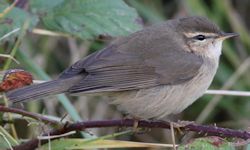 |
Dusky Warbler |
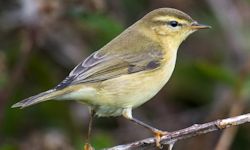 |
Willow Warbler |
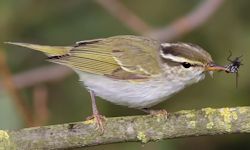 |
Eastern-crowned Warbler |
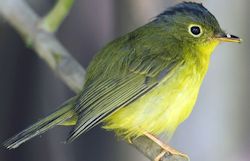 |
Alstrom's Warbler |
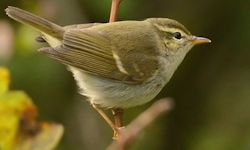 |
Two-barred Warbler |
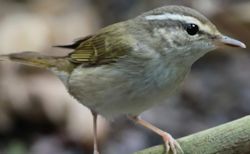 |
Pale-legged Leaf Warbler |
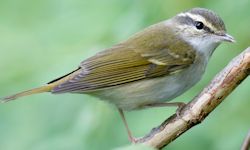 |
Sakhalin Leaf Warbler |
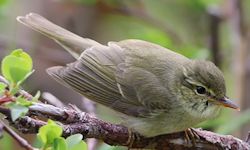 |
Japanese Leaf Warbler |
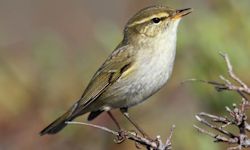 |
Arctic Warbler |
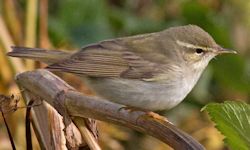 |
Kamchatka Leaf Warbler |
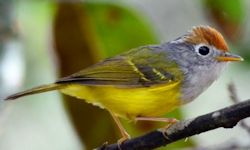 |
Chestmut-crowned Warbler |
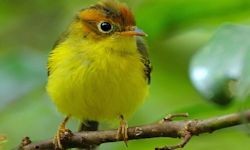 |
Yellow-breasted Warbler |
 |
Mountain Leaf Warbler |
PASSERIFORMES:
82. Scotocercidae
Stubtail
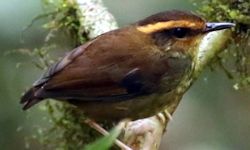 |
Borneam Stubtail |
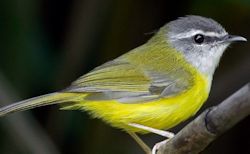 |
Yellow-bellied Warbler
|
 |
Mountain Tailorbird
|
 |
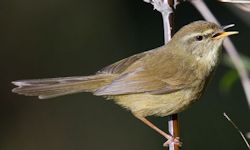
Manchurain Bush Warbler
|
 |
Aberrant Bush Warbler
|
Stubtail,Warbler
PASSERIFORMES:
83. Zosteropidae
Yuhina
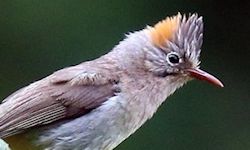 |
Chestnut-crested Yuhina |
White-eyes
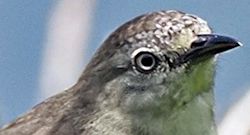 |
Pygmy White-eye |
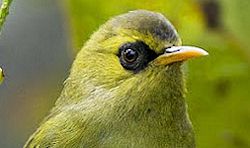 |
Mountain Black-eye |
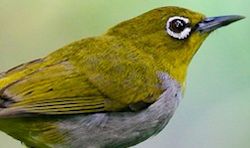 |
Hume's White-eye |
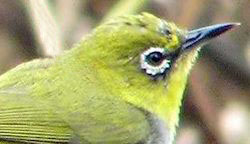 |
Swinhoe's White-eye |
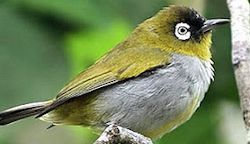 |
Black-capped White-eye |
84 Timaliidae
Laughingtrush
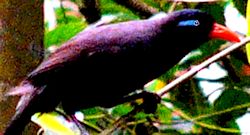 |
Black Laughingthrush |
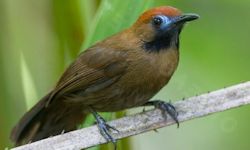 |
Bare-Headed Laughingthrush
|
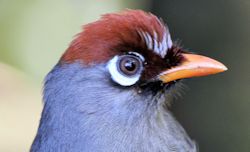 |
Chestnut-capped Laughingthrush
|
|
|
Malayan Laughingthrush
|
|
|
Black Laughingthrush
|
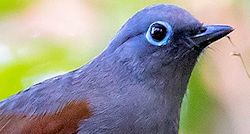 |
Sunda Laughingthrush
|
.jpg) |
Chestnut-hooded Laughingthrush
|
 |
White-crested Laughingthrush
|
PASSERIFORMES:
Babbler, Tit-Babbler
84 Timaliidae
Babblers
|
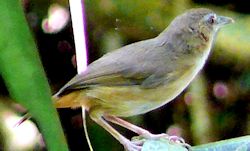
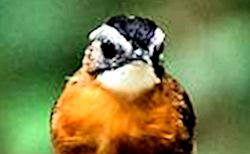
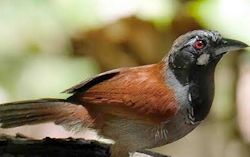
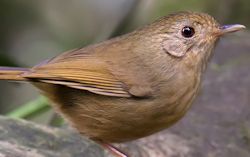
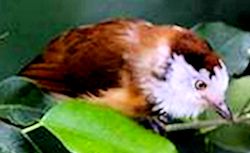
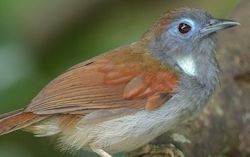
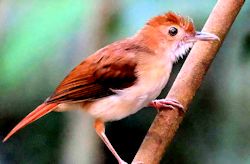
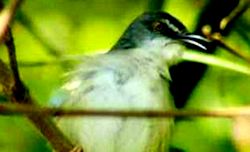
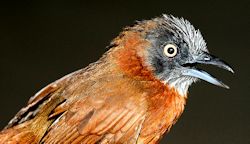
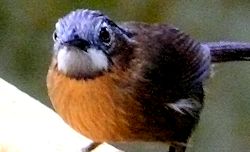
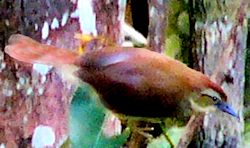
Almost everyone that I know who are not involved with birds has not come across the term "Babbler" Well, this is the name for a type of small birds found in the
wilderness - Forest and hills The closest that the birds ever got involved with human habitats are those
public parks with forest fringes. Even then, rather rare too. I have compiled a list of Babblers that could
seen in Malaysia. Quite astonishing numbers 38 species. Much larger than that
for
Flycatchers family. In fact, Babblers form the largest bird family |
|

 |
13.
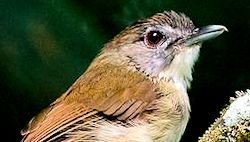
Horsfield's Babbler
|
 |
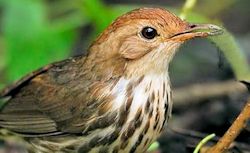
14. Moustached Babbler |
 |
15.Puff-throated Babbler |
 |
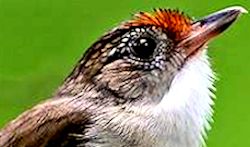
16. Sooty-capped Babbler |
 |
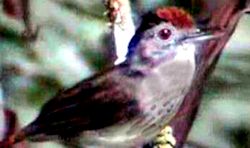
17. Scaly-crowned Babbler |
 |
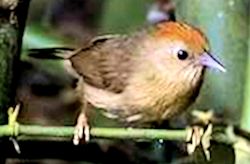
18. Rufous-crowned Babbler |
 |
19.Rufous-fronted Babbler |
 |
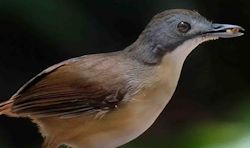
20. Rufous-winged Fulvetta |
 |
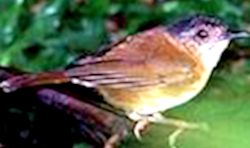
21. Short-tailed Babbler |
 |
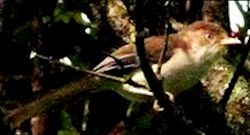
22. Temminck's Babbler |
 |
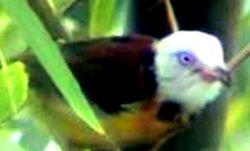
23. White-chested
Babbler
|
 |
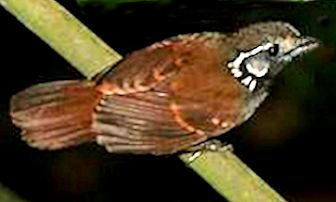
24. White-Hooded Babbler |
 |
25.White-necked Babbler |
Scimitar-Babblers
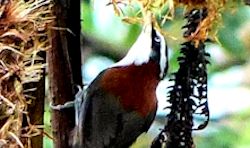 |
26. Chestnut-backed Scimitar-Babbler |
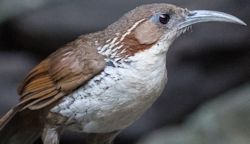 |
27. Large Scimitar-Babbler |
Tit-Babbler
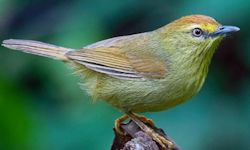 |
Pin-striped Tit-Babbler
|
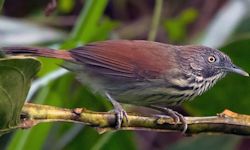 |
Bold-striped Tit-Babbler
|
|
|
Fluffy-backed Tit-Babbler
|
85. Pellorneidae
Wren Babbler, Babbler
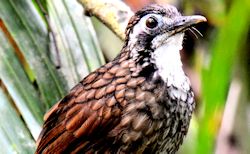 |
Large Wren-Babbler |
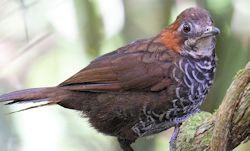 |
Marbled Wren-Babbler |
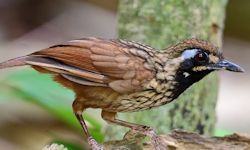 |
Black-throated Wren-Babbler |
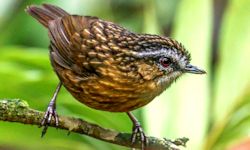 |
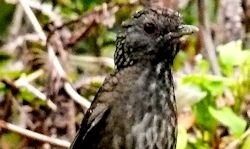
Mountain Wren-Babbler |
 |
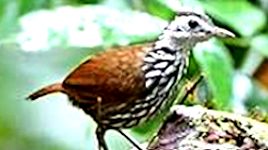
Streaked Wren-Babbler |
 |
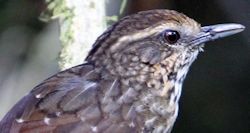
Bornean Wren-Babbler
|
 |
Eye-browed Wren-Babbler |
86 Leiothrichidae
Fulvetta
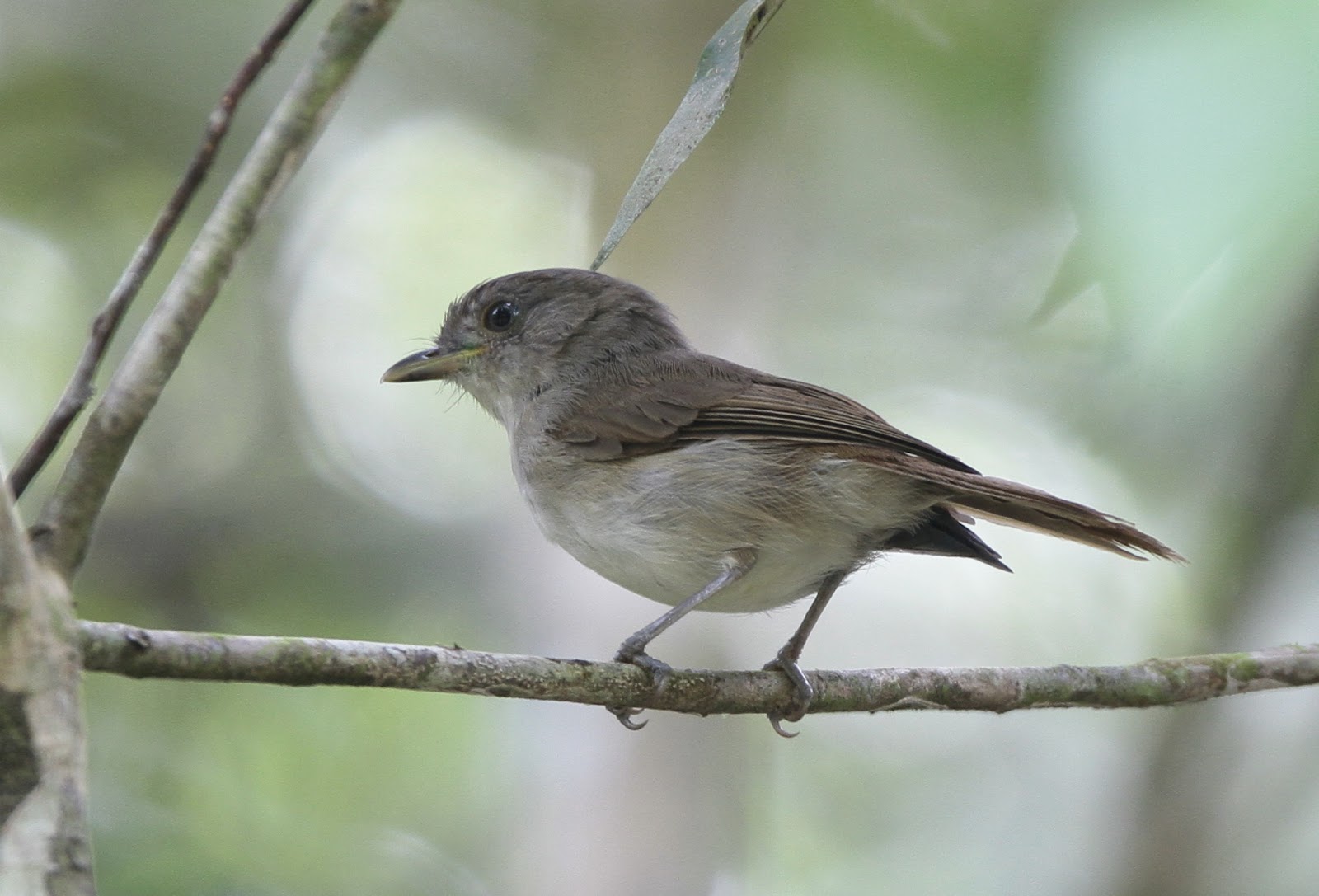 |
1. Brown Fulvetta |
 |
2. Mountain Fulvetta
|
86 Leiothrichidae
Minla
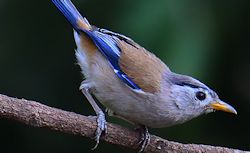 |
3. Blue-winged Minla
|
 |
4.Chestnut-tailed Minla |
86 Leiothrichidae
Cutia
 |
Himalayan Cutia |
Sibia
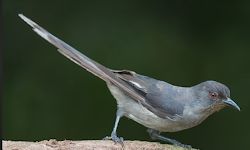 |
Long-tailed Sibia |

88. Sturnidae
Myna
|
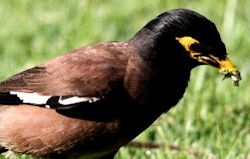
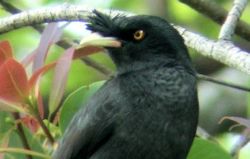
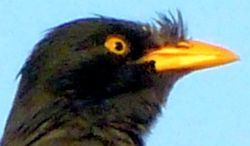
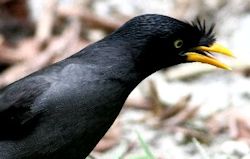
This page is devoted to the 5 birds seen in Malaysia and named as Mynas
|
 |
|
 |
|
 |
|
 |
|
 |
|
 |
|
The common Mynas that we see in our garden and in public parks, are the Common Myna and the Javan Myna. Both species are sharing almost identical body colors. They gather in flocks, unconcerned with human presence. That gives the impression, that Mynas are such common birds. In fact, they are 2 very often seen species. True, they are prolific in their propagation too, perhaps all because these more commonly seen species are not choosy about food and are readily available.
|
88 Sturnidae
Starlings
|
Starlings are open country birds that
eats fruits and insect with habit of
using the bills to pry open the food
source. They have strong feet and
flight. Most species that I have seen in
Malaysia likes to live in habitats with
humans.
They nest in holes and most species are in dark and metallic colors. A couple of facts about Starlings. They were said to have diverse and complex vocalizations. This can be seen exhibited by our Hill Mynas. As for most other Starling, their calls are simple single or two shrills notes then a series of low whispering murmurs. Next would be the special characteristic of Starling. They are social birds living in large family and some species are associated with flock behavior called murmuration. This phenomenon of grouping and flying as a flock were what we see as large black clouds doing acrobatic in the air on TV. . Flocking starlings are one of nature’s most extraordinary sights. The flock need not be from one species, among them could be other species of Starling and also other species of the family group. The science of Murmuration was studied and found that it is basically created by the behavior of the bird's "Do what you neighbor do!". In Malaysia, we do get to see that million of birds together but the show of darting about is displayed by the visiting Purple-backed Starlings with flocks of over a few hundred birds. Then this habit of other habit of grouping together on a tree is most evident at the time roosting, also by the Purple-backed Starling. The get-together is more clear in the non-breeding season. There are both resident and migratory species From the table above, the birds that I have featured on this page are those marked in orange color. As usual, I have used the master list from Bird Life International as a guide. |
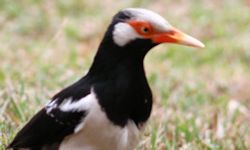

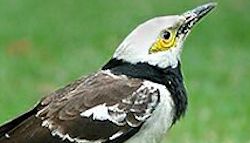
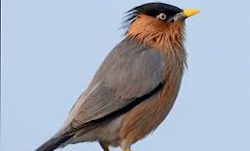


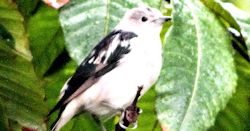
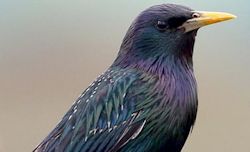
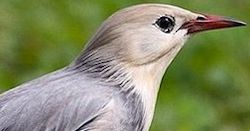
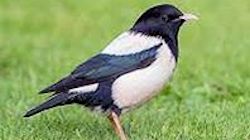
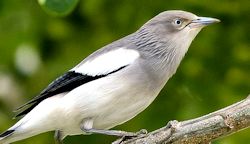
|
Starlings are interesting birds as they seem to be everywhere and their shrill calls announce their presence. in the area. Most time they are seen alone and then sometimes they are seen as a pair. In Malaysia, we only get to see the Glossy Starling. The other Starlings mentioned in this page and Rosy are either migrants or vagrant are birds that we hardly seen. |
90. Turdidae
Thrush
|
Malaysian Birds Thrush There are 174 species in the Thrush family, and they are often soft, plump medium-sized birds. They have wide-ranging distributions, and many inhabit wooded areas. Most feed on the ground and are insectivorous but eat other creatures like worms and snails. The Thrush is a family of birds that includes more than 200 different species. The term “thrush” is used to describe a wide variety of songbirds, all of which share some common physical characteristics. While many Thrush species are similar in behavior, they typically have varied appearances. Some may be streaky brown, and others feature blue or red plumage. Wood Thrushes are forest-interior
birds and are unlikely to come to feeders. However, they are still
common and may be audible from your yard if you live near small
woodlots. The Song Thrush is a thrush that breeds across the West Palearctic. It has brown upper-parts and black-spotted cream or buff
underparts and has three recognised subspecies. Its distinctive
song, which has repeated musical phrases, has frequently been
referred to in poetry. .Instead, they live solitary lives,
only coming together to mate. However, they are very social
creatures, and their musical songs are often heard in the forest.
Though they are not the most brightly colored birds, Thrushes are
nonetheless beautiful creatures that play an important role in the ecosystem. Today, the
Thrush remains a popular symbol of innocence
and purity, as well as a reminder of the simple pleasures of nature.
Its cheerful song is still considered one of the most beautiful
sounds in the world, making it a fitting emblem for all those who
appreciate the power of music. However, most Thrushes have fairly
dull plumage, with brown or gray being the dominant colors. They
also tend to have streaked breasts and round, plump bodies. The
length of these birds can vary somewhat, but they typically range
from 4-8 inches long. |
|
|
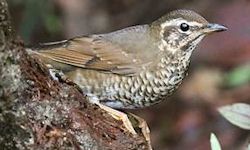
Everett's Thrush |
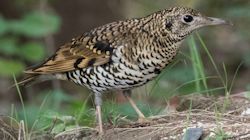 |
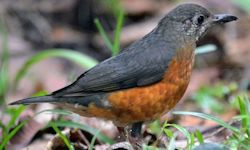
White's Thrush |
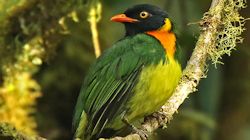 |
Fruit-hunter |
 |
|
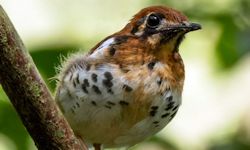 |
Chestnut-capped Thrush |
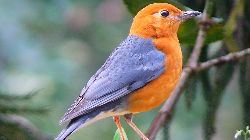 |
Orange-headed Thrush |
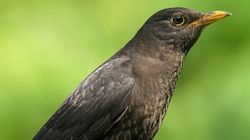 |
Chinese Blackbird |
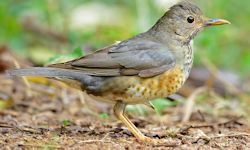 |
Japanese Thrush |
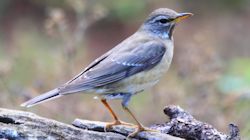 |
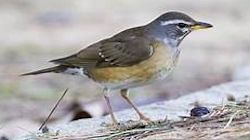
Gray-sided Thrush |
 |
Eye-browed Thrush |
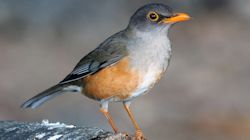 |
Island Thrush |
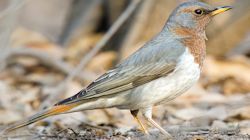 |
Red-throated Thrush |
 |
With Will would Wander |
 |